Understanding the Steering System
The steering system connects the driver’s inputs at the steering wheel to the vehicle’s wheels. When you turn the wheel, the system transfers that motion to the tires, allowing your vehicle to change direction accurately.
Key components include:
- Steering Wheel & Column – The interface between you and the vehicle.
- Rack and Pinion / Steering Box – Converts the steering wheel’s rotational motion into lateral motion for the wheels.
- Tie Rods & Ball Joints – Connect the steering mechanism to the wheels and allow smooth movement.
- Power Steering Pump & Fluid (if applicable) – Assists in reducing effort needed to turn the wheel.
Why the Steering System Matters
- Safety First – A responsive steering system ensures that you can react quickly to obstacles, turns, and emergencies.
- Vehicle Handling – Proper steering improves handling, cornering, and stability, especially on rough or hilly Kenyan roads.
- Tire Longevity – Misaligned or faulty steering leads to uneven tire wear, costing you more in replacements.
- Driving Comfort – Smooth steering reduces fatigue, making daily commutes and long trips safer and more enjoyable.
- Prevents Major Repairs – Regular checks can catch worn tie rods, ball joints, or low power steering fluid before they become costly problems.
How to Keep Your Steering System Healthy
- Regular Inspections: Check steering components during servicing, ideally every 10,000–15,000 km.
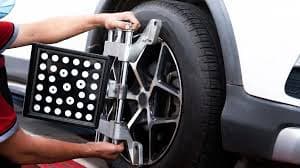
- Alignment & Balancing: Ensure your wheels are properly aligned to avoid strain on the steering system.
- Fluid Maintenance: For vehicles with power steering, regularly check and replace fluid as needed.
- Address Problems Early: Strange noises, stiffness, or loose steering should be inspected immediately.