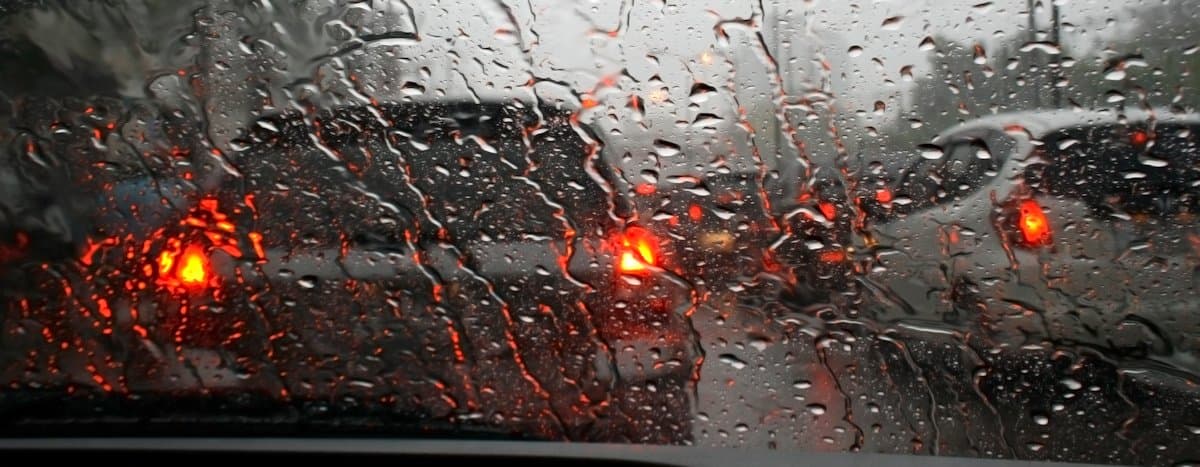


Driving Safely in the Rain: 6 Essential Tips
Rainy weather can make driving far more dangerous than usual. Wet roads reduce tire grip, visibility drops significantly, and traffic tends to build up as drivers slow down. To stay safe, it’s important to adjust your driving habits when the rain starts pouring. Here are six key tips to help you navigate wet conditions with confidence.
1. Check Your Windscreen and Wipers
Your windscreen is your window to the road, and in the rain, clear visibility is everything. Make sure your windscreen wipers are in proper working order and replace worn-out blades before the rainy season begins. Old or damaged wipers can leave streaks, blur your vision, and increase the chances of an accident. Also, keep your windscreen washer fluid topped up to help clear dirt and mud splashes.
2. Maintain a Safe Following Distance
On wet roads, stopping distances can double. That means tailgating is riskier than ever. Always keep extra space between your car and the one ahead of you. A good rule of thumb is to follow the “three-second rule” in dry conditions and extend it to five or more seconds when the roads are wet. This gives you the extra reaction time needed to brake safely.
3. Slow Down and Respect the Speed Limit
Driving at high speeds in the rain increases your chances of hydroplaning — when your tires lose grip and skim across the water on the road. Even if you’re within the speed limit, adjust your speed downward in heavy rain or on slick roads. Slower driving gives your tires more chance to maintain contact with the road and keeps you in better control of your vehicle.
4. Read the Road and the Signs
Puddles and flooded areas can be deceptive. If you can’t see the ground beneath standing water, don’t drive through it. Floodwater can hide potholes, debris, or be deeper than it looks. Always pay attention to road signs, temporary warnings, and hazard markings — they’re there for your safety.
5. Use Your Lights Wisely
In the rain, visibility drops not only for you but also for other drivers. Always turn on your headlights (not just your daytime running lights) so others can see you more clearly. Avoid using your high beams, as the light reflects off the rain and reduces visibility even further.
6. Allow Extra Time for Your Journey
Rain slows down traffic. Accidents, congestion, and reduced speeds all add to delays. Instead of rushing, plan ahead and allow yourself extra travel time. Being in a hurry only increases the temptation to take risks, which is the last thing you want when roads are slick and unpredictable.
Final Thoughts
Driving in the rain doesn’t have to be stressful if you prepare and stay alert. By keeping your car in good condition, slowing down, and practicing patience, you’ll protect yourself and others on the road. Remember: safety always comes first, no matter the weather.


